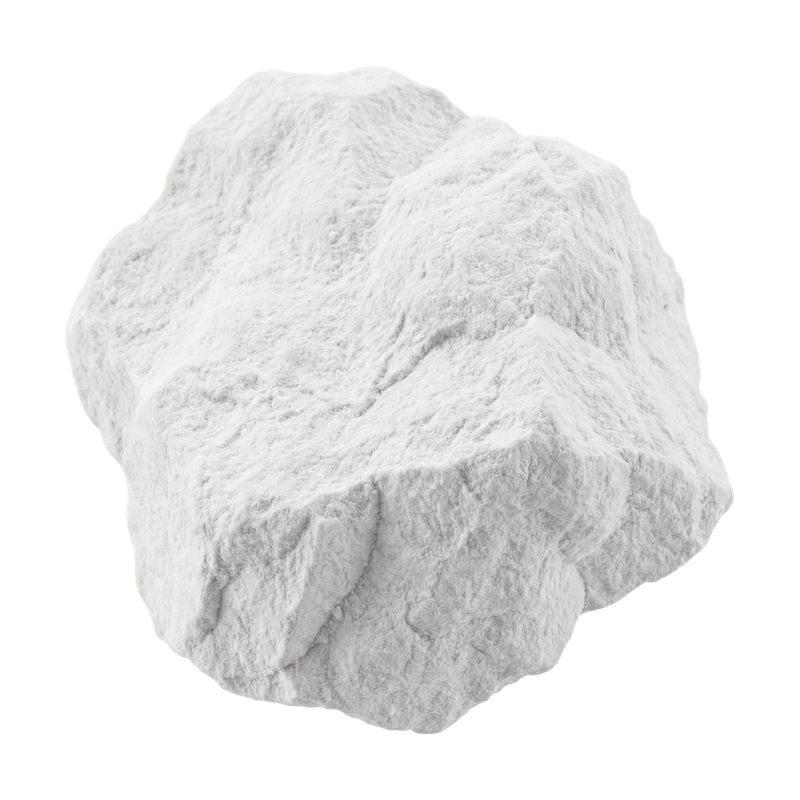
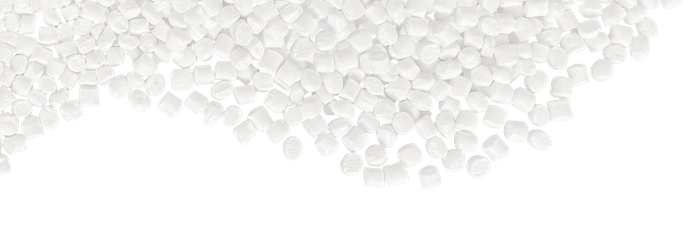
Calcium carbonate is a versatile mineral solution for a wide range of polyolefin applications, delivering improved stiffness, dimensional stability, and thermal conductivity while lowering resin usage. It offers an excellent balance of cost, easy dispersion in most converting equipment, and process gains such as faster cycle times, better heat transfer, and more consistent finished part quality.
Materials:
CaCO₃, Enhanced Antioxidant, LLDPE
Compatible Resin:
LLDPE, HDPE, PP
Materials:
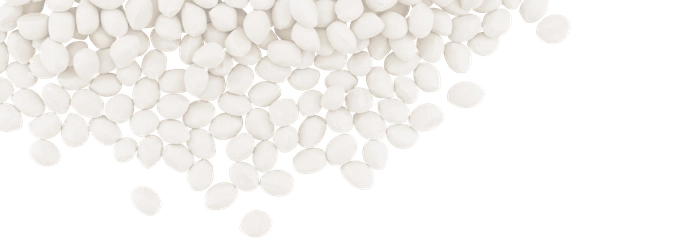
CaCO₃, PP
Compatible Resin:
PP
Materials:
CaCO₃, Polyolefin Elastomer, PP
Compatible Resin:
PP
Materials:
CaCO₃, TiO₂, LLDPE
Compatible Resin:
LLDPE
Materials:
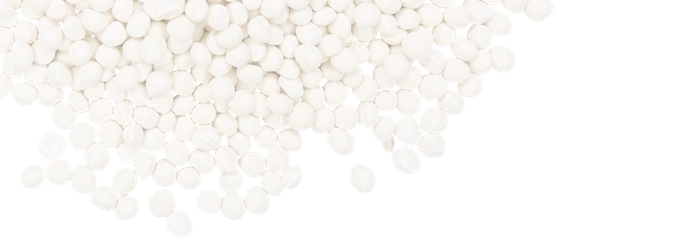
CaCO₃, TiO₂, LLDPE
Compatible Resin:
LLDPE
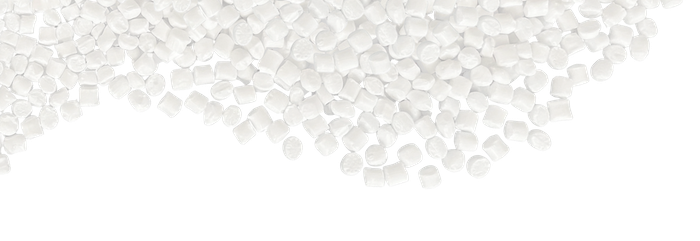
Materials:
CaCO₃, HDPE
Compatible Resin:
HDPE
Materials:
CaCO₃, LLDPE
Compatible Resin:
LLDPE, HDPE, PP
Materials:
CaCO₃, PP
Compatible Resin:
PP
Materials:
CaCO₃, PP
Compatible Resin:
PP
Materials:
CaCO₃, PP
Compatible Resin:
PP
Materials:
CaCO₃, PP
Compatible Resin:
PP
Materials:
CaCO₃, PP
Compatible Resin:
PP
Materials:
CaCO₃, PP
Compatible Resin:
PP
Materials:
CaCO₃, PP
Compatible Resin:
PP
Materials:
CaCO₃, UV Inhibitor, PP
Compatible Resin:
PP
Materials:
CaCO₃, UV Inhibitor, PP
Compatible Resin:
PP
Materials:
CaCO₃, HDPE
Compatible Resin:
HDPE
Materials:
CaCO₃, LLDPE
Compatible Resin:
LLDPE, HDPE, PP
Materials:
CaCO₃, LLDPE
Compatible Resin:
LLDPE, HDPE, PP
Materials:
CaCO₃, LLDPE
Compatible Resin:
LLDPE, HDPE, LDPE
Materials:
CaCO₃, LLDPE
Compatible Resin:
LLDPE, HDPE, PP
Materials:
CaCO₃, LLDPE
Compatible Resin:
LLDPE, HDPE, PP
Materials:
CaCO₃, CaO, LLDPE
Compatible Resin:
LLDPE, HDPE
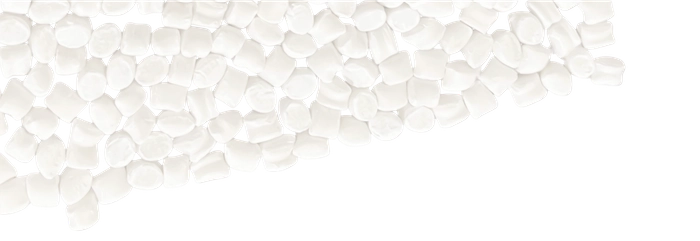
Materials:
CaCO₃, LLDPE, Oleamide Slip
Compatible Resin:
LLDPE, HDPE
Materials:
CaCO₃, LLDPE, Oleamide Slip
Compatible Resin:
LLDPE, HDPE
Materials:
CaCO₃, Oleamide Slip, LLDPE
Compatible Resin:
LLDPE, HDPE
Materials:
CaCO₃, Oleamide Slip
Compatible Resin:
LLDPE, HDPE
Materials:
CaCO₃, Oleamide Slip, LLDPE
Compatible Resin:
LLDPE, HDPE
Materials:
CaCO₃, Enhanced Antioxidant, LLDPE
Compatible Resin:
LLDPE, HDPE
Materials:
CaCO₃, Polyolefin Elastomer
Compatible Resin:
PP
Materials:
CaCO₃, Enhanced Antioxidant, LLDPE
Compatible Resin:
LLDPE
Materials:
CaCO₃, TiO₂, LLDPE
Compatible Resin:
LLDPE
Materials:
CaCO₃, LDPE
Compatible Resin:
LDPE
Materials:
CaCO₃, LDPE
Compatible Resin:
LDPE
Materials:
CaCO₃, LDPE
Compatible Resin:
LDPE
Materials:
CaCO₃, HDPE
Compatible Resin:
HDPE
Materials:
CaCO₃, LLDPE
Compatible Resin:
LLDPE, HDPE, PP
Materials:
CaCO₃, LLDPE
Compatible Resin:
LLDPE
Materials:
CaCO₃, TiO₂, UV Inhibitor, LLDPE
Compatible Resin:
LLDPE
Materials:
CaCO₃, TiO₂, LLDPE
Compatible Resin:
LLDPE
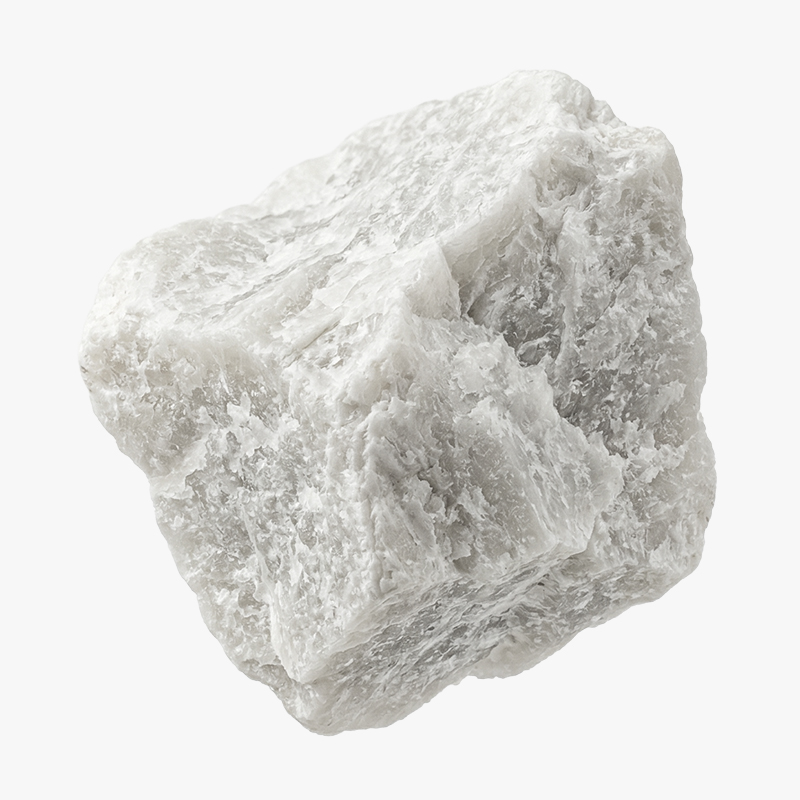
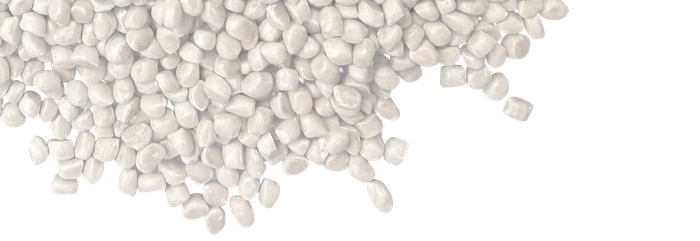
Primary mineral filler for polyolefin applications where increased stiffness and improved dimensional stability are beneficial. It is also has excellent antiblocking properties when used in polyolefin film. It supports better heat resistance, dimensional control, and cost-effective antiblock performance in a wide range of polypropylene and polyethylene applications.
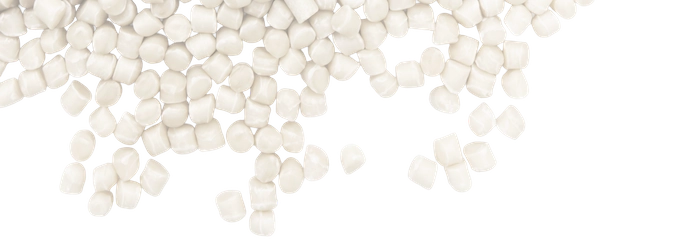
Materials:
Talc, Oleamide Slip, LLDPE
Compatible Resin:
LLDPE
Materials:
Talc, LLDPE
Compatible Resin:
LLDPE
Materials:
Talc, HDPE
Compatible Resin:
HDPE
Materials:
Talc, HDPE
Compatible Resin:
HDPE
Materials:
Talc, PP
Compatible Resin:
PP
Materials:
Talc, PP
Compatible Resin:
PP
Materials:
Talc, UV Inhibitor, PP
Compatible Resin:
PP
Materials:
Talc, LLDPE
Compatible Resin:
LLDPE
Materials:
Talc, PP
Compatible Resin:
PP
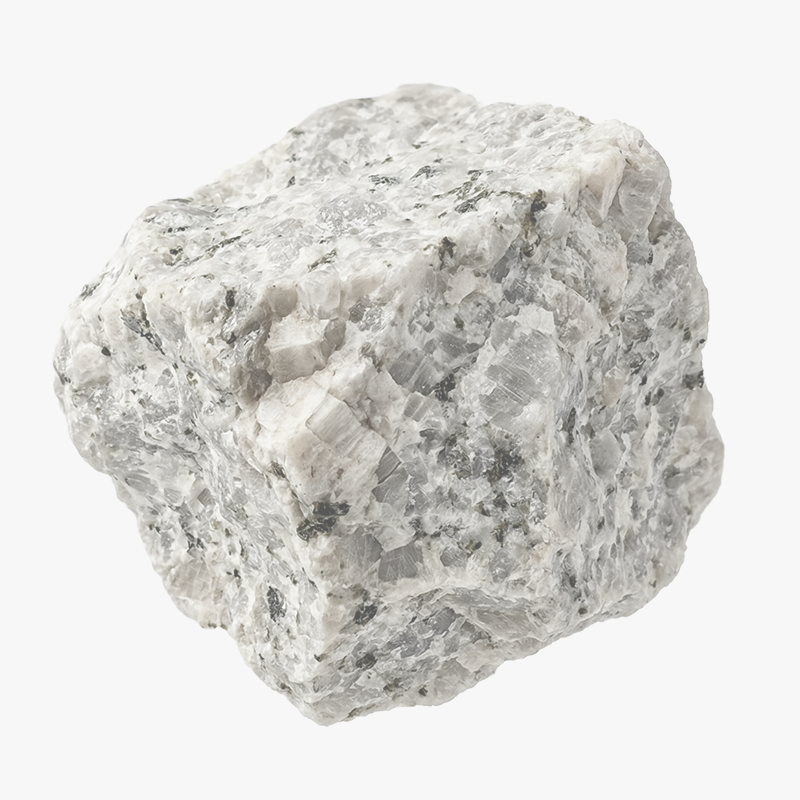
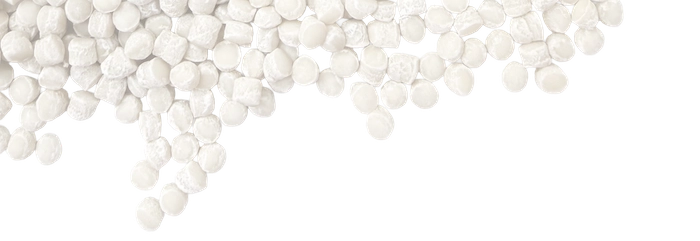
Nepheline syenite is a high-purity mineral with a refractive index very close to polyethylene, making it an excellent choice when optical properties must be preserved. Its controlled particle size and hardness provide effective antiblock performance in film, minimizing blocking without sacrificing clarity, gloss, or printability in high‑clarity packaging and lamination structures.
Materials:
Nepheline Syenite, LLDPE
Compatible Resin:
LLDPE
Materials:
Nepheline Syenite, LLDPE
Compatible Resin:
LLDPE
Materials:
Nepheline Syenite, Oleamide Slip, LLDPE
Compatible Resin:
LLDPE
Materials:
Nepheline Syenite, Oleamide Slip, LLDPE
Compatible Resin:
LLDPE
Materials:
Nepheline Syenite, LLDPE
Compatible Resin:
LLDPE
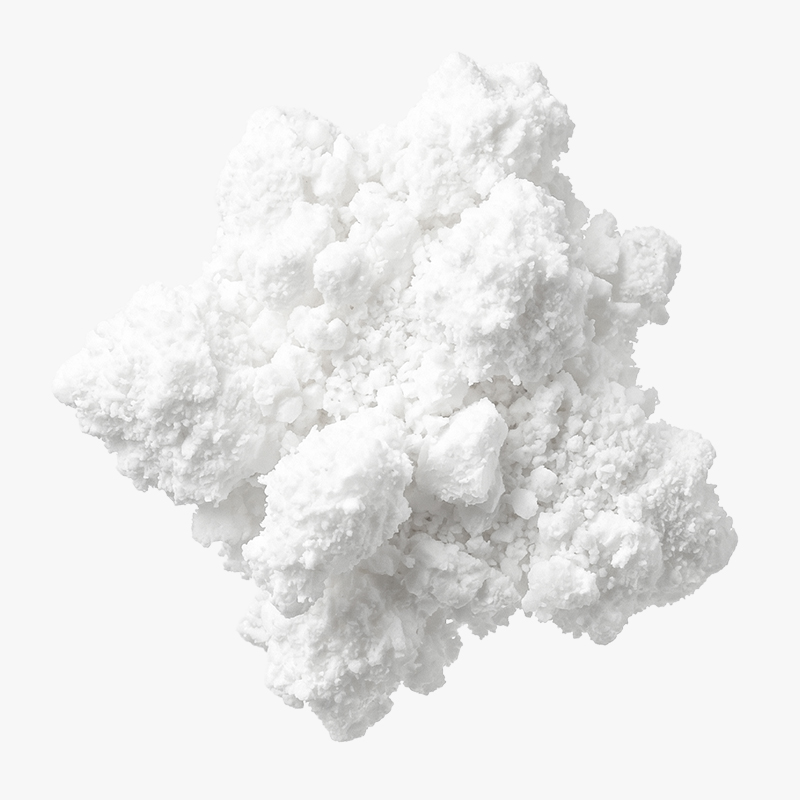
Industry-standard white pigment for polyolefins where maximum opacity, brightness, and color consistency are required. Provides excellent hiding power and UV durability, making it suitable for general-purpose products as well as demanding outdoor film, sheet, and molded applications.
Materials:
TiO₂, UV Inhibitor, LLDPE
Compatible Resin:
LLDPE
Materials:
CaCO₃, TiO₂, LLDPE
Compatible Resin:
LLDPE
Materials:
CaCO₃, TiO₂, LLDPE
Compatible Resin:
LLDPE
Materials:
CaCO₃, TiO₂, LLDPE
Compatible Resin:
LLDPE
Materials:
CaCO₃, TiO₂, UV Inhibitor, LLDPE
Compatible Resin:
LLDPE
Materials:
TiO₂, UV Inhibitor, LLDPE
Compatible Resin:
LLDPE
Materials:
TiO₂, LLDPE
Compatible Resin:
LLDPE
Materials:
CaCO₃, TiO₂, LLDPE
Compatible Resin:
LLDPE
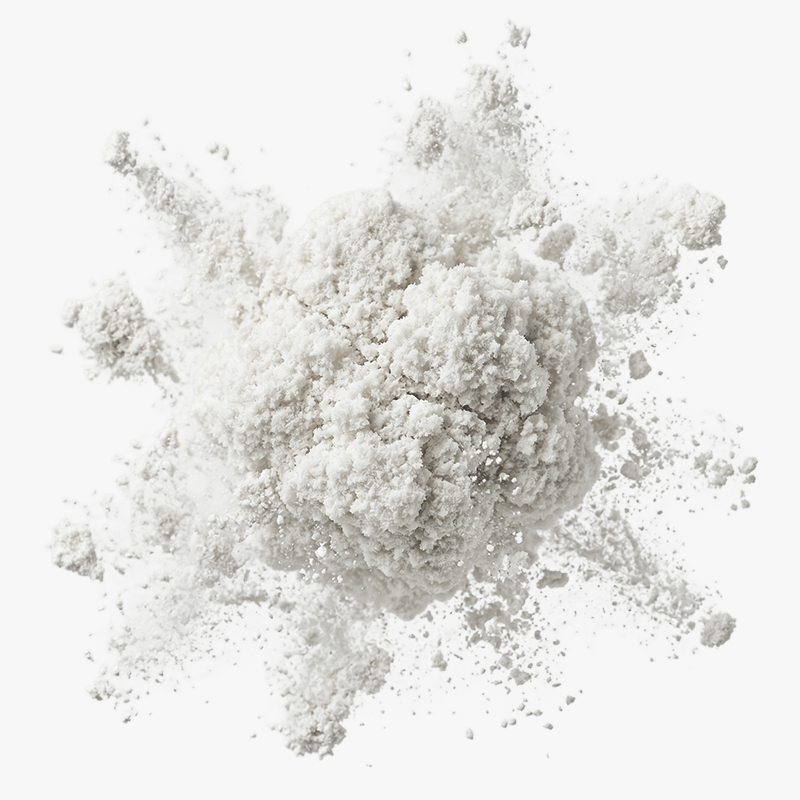
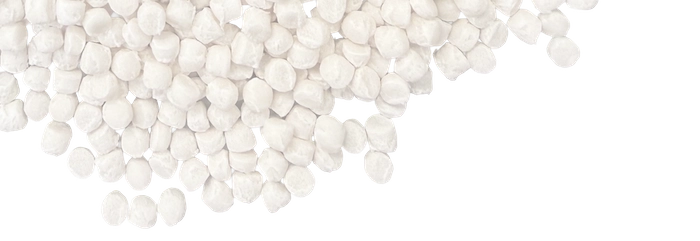
Aluminum trihydrate is a non‑halogen flame retardant designed for polyethylene systems, releasing water when heated to slow combustion and cool the polymer matrix. It is particularly effective in extruded sheet for lowering peak heat release, reducing smoke generation, and helping meet stringent fire performance specifications in building, transportation, and electrical applications.
Materials:
ATH, LDPE
Compatible Resin:
LDPE
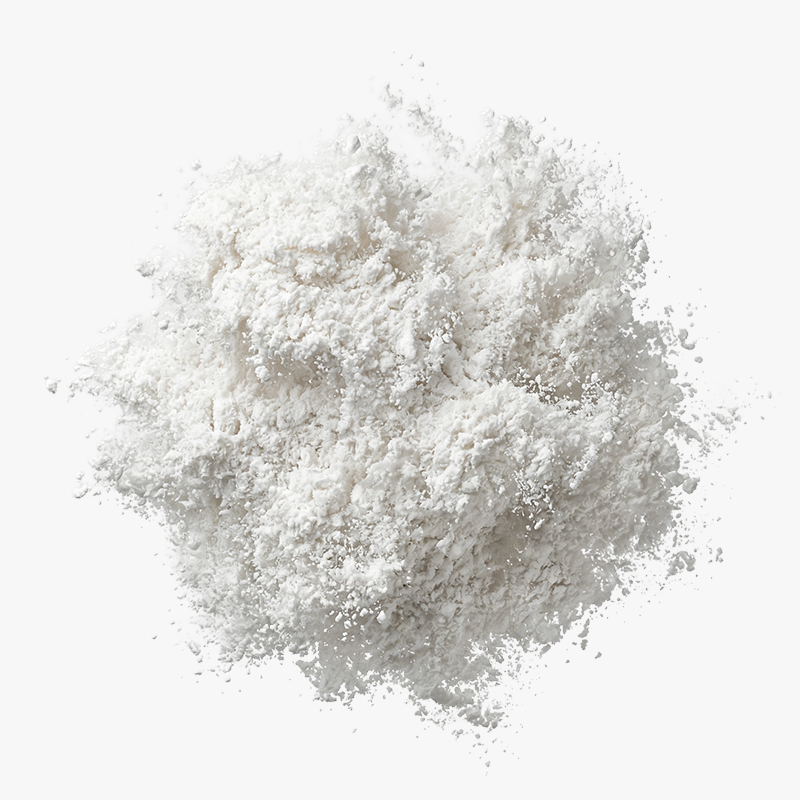
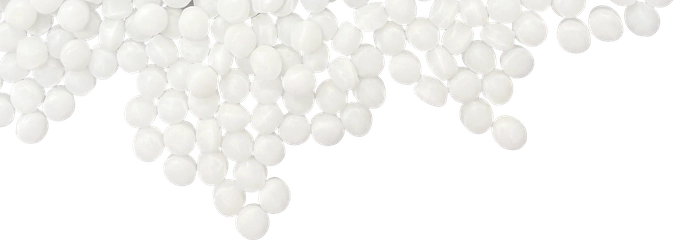
Magnesium hydroxide is a non‑halogen flame retardant for thermoplastic compounds, decomposing endothermically to release water and form a protective char that slows burning. It tolerates higher processing temperatures than many mineral flame retardants, making it suitable for polypropylene and other high‑temperature extrusion or molding operations.
Materials:
Mg(OH)₂, HDPE
Compatible Resin:
HDPE
Materials:
Mg(OH)₂, PP
Compatible Resin:
PP
Materials:
Mg(OH)₂, Char Former, HDPE
Compatible Resin:
HDPE
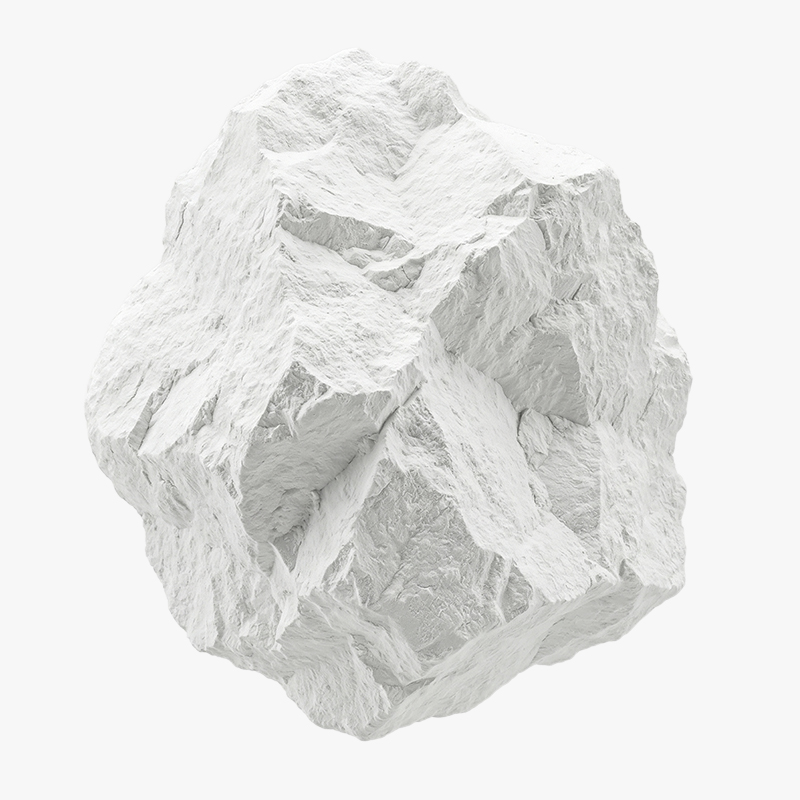
Calcium oxide is a highly efficient moisture scavenger for polyolefin systems, binding unwanted water to help minimize defects . It is particularly useful in film and sheet containing high levels of reclaim or recyclate, helping maintain optical clarity, mechanical properties, and consistent processing.
Materials:
CaCO₃, CaO, LLDPE
Compatible Resin:
LLDPE, HDPE
Materials:
CaO, LLDPE
Compatible Resin:
LLDPE
Materials:
CaO, LLDPE
Compatible Resin:
LLDPE
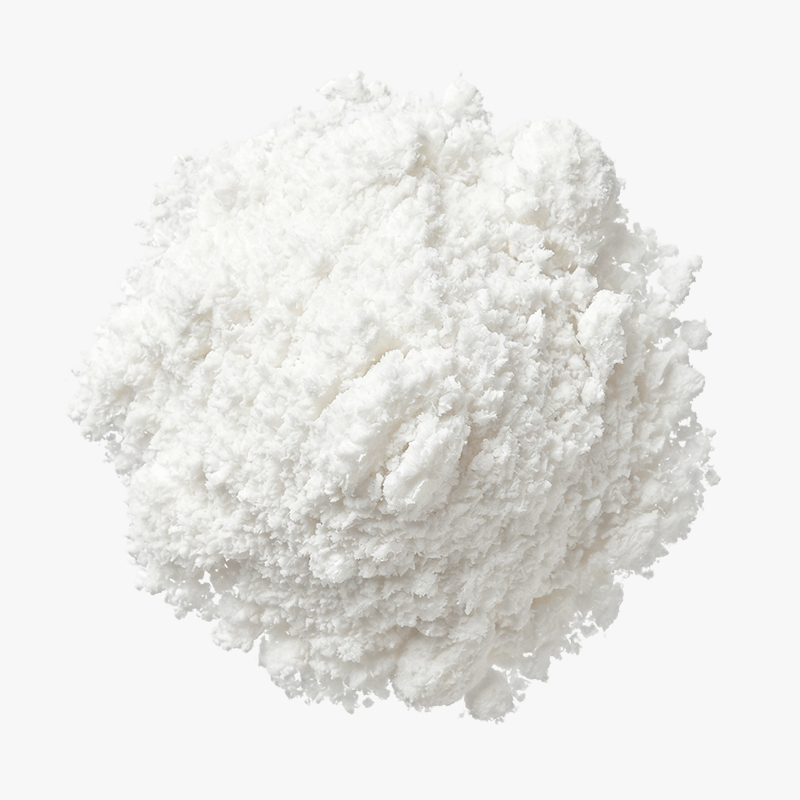
Erucamide is a migratory slip additive for polyethylene film that slowly blooms to the surface, forming a lubricating layer that reduces coefficient of friction and improves winding and handling. Its controlled migration also provides long‑lasting antiblock performance, helping prevent film layers from sticking during processing, converting, and packaging.
Materials:
Erucamide Slip, LLDPE
Compatible Resin:
LLDPE
Materials:
Erucamide Slip, LLDPE
Compatible Resin:
LLDPE
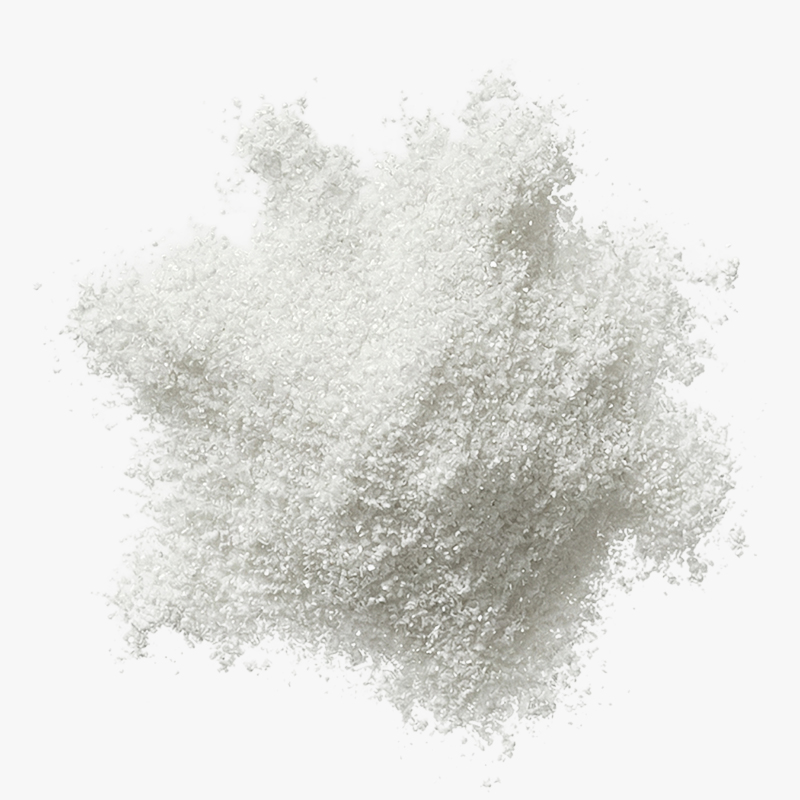
Oleamide is a vegetable‑based, fast‑bloom slip agent that disperses uniformly in polyolefin matrices, rapidly migrating to the film surface to create a lubricating layer. It is primarily used in polyethylene and polypropylene films to prevent blocking, deliver quick and efficient coefficient‑of‑friction reduction, and improve winding, bag making, and packaging line efficiency.
Materials:
Nepheline Syenite, Oleamide Slip, LLDPE
Compatible Resin:
LLDPE
Materials:
Nepheline Syenite, Oleamide Slip, LLDPE
Compatible Resin:
LLDPE
Materials:
CaCO₃, LLDPE, Oleamide Slip
Compatible Resin:
LLDPE, HDPE
Materials:
CaCO₃, Oleamide Slip, LLDPE
Compatible Resin:
LLDPE, HDPE
Materials:
CaCO₃, Oleamide Slip
Compatible Resin:
LLDPE, HDPE
Materials:
CaCO₃, Oleamide Slip, LLDPE
Compatible Resin:
LLDPE, HDPE
Materials:
Oleamide Slip, LLDPE
Compatible Resin:
LLDPE
Materials:
Talc, Oleamide Slip, LLDPE
Compatible Resin:
LLDPE
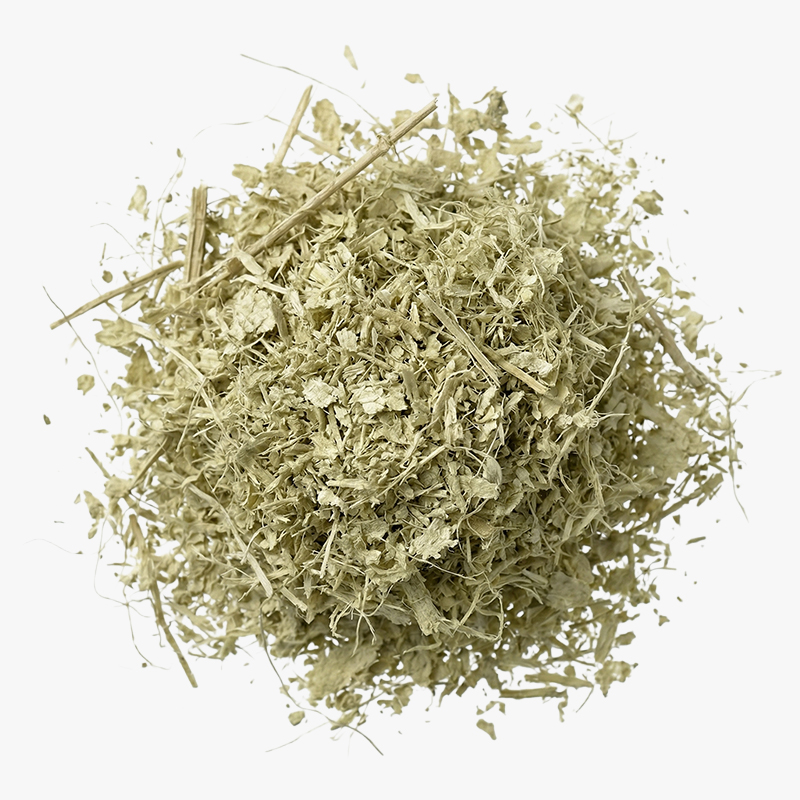
BioResin is a polymer made partially or entirely from renewable biological feedstocks such as plant‑derived sugars, oils, or biomass, reducing dependence on finite fossil resources. By sourcing carbon from contemporary biological cycles, these materials can offer a lower overall environmental footprint and reduced greenhouse gas emissions compared with conventional petroleum‑based polymers, while still delivering comparable processing and performance in many applications.
Materials:
BioResin(s), Mineral(s), Additive(s)
Compatible Resin:
Masterbatch, Compound
Materials:
BioResin(s), Mineral(s), Additive(s)
Compatible Resin:
Masterbatch, Compound
A broad portfolio of polypropylene resins is used in Heritage’s concentrates, including homopolymers and impact‑modified grades to match specific processing and performance needs. Thoughtful resin selection optimizes melt flow, stiffness, and toughness, allowing minerals to deliver maximum reinforcement, cost reduction, and dimensional stability while maintaining overall part performance and aesthetics.
Materials:
CaCO₃, PP
Compatible Resin:
PP
Materials:
CaCO₃, Polyolefin Elastomer, PP
Compatible Resin:
PP
Materials:
CaCO₃, PP
Compatible Resin:
PP
Materials:
CaCO₃, PP
Compatible Resin:
PP
Materials:
Mg(OH)₂, PP
Compatible Resin:
PP
Materials:
CaCO₃, PP
Compatible Resin:
PP
Materials:
CaCO₃, PP
Compatible Resin:
PP
Materials:
CaCO₃, PP
Compatible Resin:
PP
Materials:
CaCO₃, PP
Compatible Resin:
PP
Materials:
CaCO₃, PP
Compatible Resin:
PP
Materials:
CaCO₃, UV Inhibitor, PP
Compatible Resin:
PP
Materials:
CaCO₃, UV Inhibitor, PP
Compatible Resin:
PP
Materials:
Talc, PP
Compatible Resin:
PP
Materials:
Talc, PP
Compatible Resin:
PP
Materials:
Talc, UV Inhibitor, PP
Compatible Resin:
PP
Materials:
Talc, PP
Compatible Resin:
PP
Heritage offers a full range of high density polyethylene carriers engineered for blow molding, blown film, and sheet extrusion, allowing you to match density, melt index, and molecular weight distribution to your specific process. Whether your priority is stiffness, toughness, environmental stress crack resistance, or downgauging potential, the right HDPE grade helps ensure optimal dispersion of minerals and consistent, efficient production.
Materials:
CaCO₃, HDPE
Compatible Resin:
HDPE
Materials:
Mg(OH)₂, HDPE
Compatible Resin:
HDPE
Materials:
Mg(OH)₂, Char Former, HDPE
Compatible Resin:
HDPE
Materials:
CaCO₃, HDPE
Compatible Resin:
HDPE
Materials:
Talc, HDPE
Compatible Resin:
HDPE
Materials:
Talc, HDPE
Compatible Resin:
HDPE
Materials:
CaCO₃, HDPE
Compatible Resin:
HDPE
Heritage utilizes a broad slate of linear low density polyethylene grades, from butene to higher‑alpha‑olefin copolymers, to balance toughness, clarity, and processability in your structures. By tailoring density and melt index to your formulation and equipment, we specialize in designing the right LLDPE‑based concentrate to optimize film performance, downgauging potential, and line efficiency across a wide range of packaging applications.
Materials:
Nepheline Syenite, LLDPE
Compatible Resin:
LLDPE
Materials:
Nepheline Syenite, LLDPE
Compatible Resin:
LLDPE
Materials:
Nepheline Syenite, Oleamide Slip, LLDPE
Compatible Resin:
LLDPE
Materials:
Nepheline Syenite, Oleamide Slip, LLDPE
Compatible Resin:
LLDPE
Materials:
Nepheline Syenite, LLDPE
Compatible Resin:
LLDPE
Materials:
CaCO₃, Enhanced Antioxidant, LLDPE
Compatible Resin:
LLDPE, HDPE, PP
Materials:
TiO₂, UV Inhibitor, LLDPE
Compatible Resin:
LLDPE
Materials:
CaCO₃, TiO₂, LLDPE
Compatible Resin:
LLDPE
Materials:
CaCO₃, TiO₂, LLDPE
Compatible Resin:
LLDPE
Materials:
CaCO₃, LLDPE
Compatible Resin:
LLDPE, HDPE, PP
Materials:
CaCO₃, LLDPE
Compatible Resin:
LLDPE, HDPE, PP
Materials:
CaCO₃, LLDPE
Compatible Resin:
LLDPE, HDPE, PP
Materials:
CaCO₃, LLDPE
Compatible Resin:
LLDPE, HDPE, LDPE
Materials:
CaCO₃, LLDPE
Compatible Resin:
LLDPE, HDPE, PP
Materials:
CaCO₃, LLDPE
Compatible Resin:
LLDPE, HDPE, PP
Materials:
CaCO₃, LLDPE, Oleamide Slip
Compatible Resin:
LLDPE, HDPE
Materials:
CaCO₃, Oleamide Slip, LLDPE
Compatible Resin:
LLDPE, HDPE
Materials:
CaCO₃, Oleamide Slip
Compatible Resin:
LLDPE, HDPE
Materials:
CaCO₃, Oleamide Slip, LLDPE
Compatible Resin:
LLDPE, HDPE
Materials:
CaCO₃, Enhanced Antioxidant, LLDPE
Compatible Resin:
LLDPE, HDPE
Materials:
PPA, LDPE
Compatible Resin:
LLDPE, HDPE
Materials:
Oleamide Slip, LLDPE
Compatible Resin:
LLDPE
Materials:
Erucamide Slip, LLDPE
Compatible Resin:
LLDPE
Materials:
Erucamide Slip, LLDPE
Compatible Resin:
LLDPE
Materials:
Talc, Oleamide Slip, LLDPE
Compatible Resin:
LLDPE
Materials:
Talc, LLDPE
Compatible Resin:
LLDPE
Materials:
Talc, LLDPE
Compatible Resin:
LLDPE
Materials:
UV Inhibitor, LLDPE
Compatible Resin:
LLDPE
Materials:
CaCO₃, Enhanced Antioxidant, LLDPE
Compatible Resin:
LLDPE
Materials:
CaCO₃, TiO₂, LLDPE
Compatible Resin:
LLDPE
Materials:
CaO, LLDPE
Compatible Resin:
LLDPE
Materials:
CaO, LLDPE
Compatible Resin:
LLDPE
Materials:
CaCO₃, LLDPE
Compatible Resin:
LLDPE, HDPE, PP
Materials:
CaCO₃, LLDPE
Compatible Resin:
LLDPE
Materials:
CaCO₃, TiO₂, UV Inhibitor, LLDPE
Compatible Resin:
LLDPE
Materials:
TiO₂, UV Inhibitor, LLDPE
Compatible Resin:
LLDPE
Materials:
TiO₂, LLDPE
Compatible Resin:
LLDPE
Materials:
CaCO₃, TiO₂, LLDPE
Compatible Resin:
LLDPE
Low density polyethylene is available in a range of stock and custom carrier formulations to match your processing and performance targets. It can provide enhanced mineral dispersion, while its flexibility and toughness at low temperatures make it ideal for freezer, stretch, and other cold‑chain film, sheet, and molding applications.
Materials:
ATH, LDPE
Compatible Resin:
LDPE
Materials:
CaCO₃, LDPE
Compatible Resin:
LDPE
Materials:
CaCO₃, LDPE
Compatible Resin:
LDPE
Materials:
CaCO₃, LDPE
Compatible Resin:
LDPE
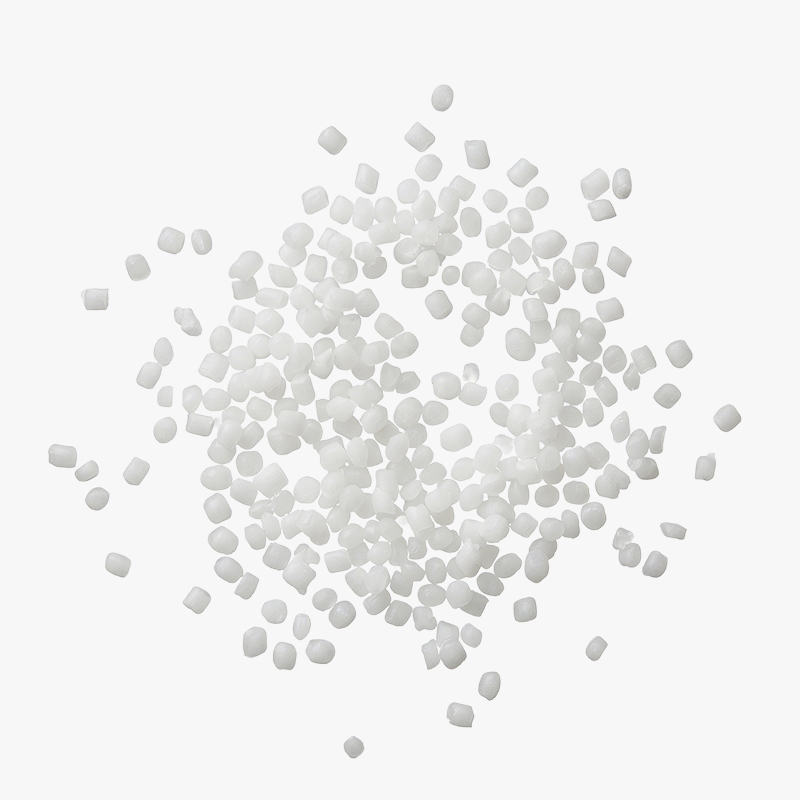
Heritage incorporates polyolefin elastomers in many formulations to deliver a balance of toughness and softness within polyolefin systems. These elastomers improve impact strength, puncture resistance, and low‑temperature ductility, while allowing precise tuning of polymer flexibility, feel, and stress‑whitening behavior in films, molded parts, and profiles—all without sacrificing compatibility with existing polyethylene and polypropylene processing.
Materials:
CaCO₃, Polyolefin Elastomer, PP
Compatible Resin:
PP
Materials:
CaCO₃, Polyolefin Elastomer
Compatible Resin:
PP
Polymer processing aides encompass a range of chemistries, including fluoropolymer-, metal stearates, and other specialty additive systems, and are incorporated at low levels through masterbatch. They are engineered to improve melt flow by creating slip at the metal–polymer interface, eliminating surface melt fracture (“sharkskin”), reducing die build‑up, lowering extrusion pressure, and increasing throughput while maintaining film appearance and mechanical properties.
Materials:
PFAS Free PPA, LDPE
Compatible Resin:
LLDPE, HDPE, LDPE
Materials:
PFAS Free PPA, LDPE
Compatible Resin:
LLDPE, HDPE, LDPE
Materials:
PPA, LDPE
Compatible Resin:
LLDPE, HDPE
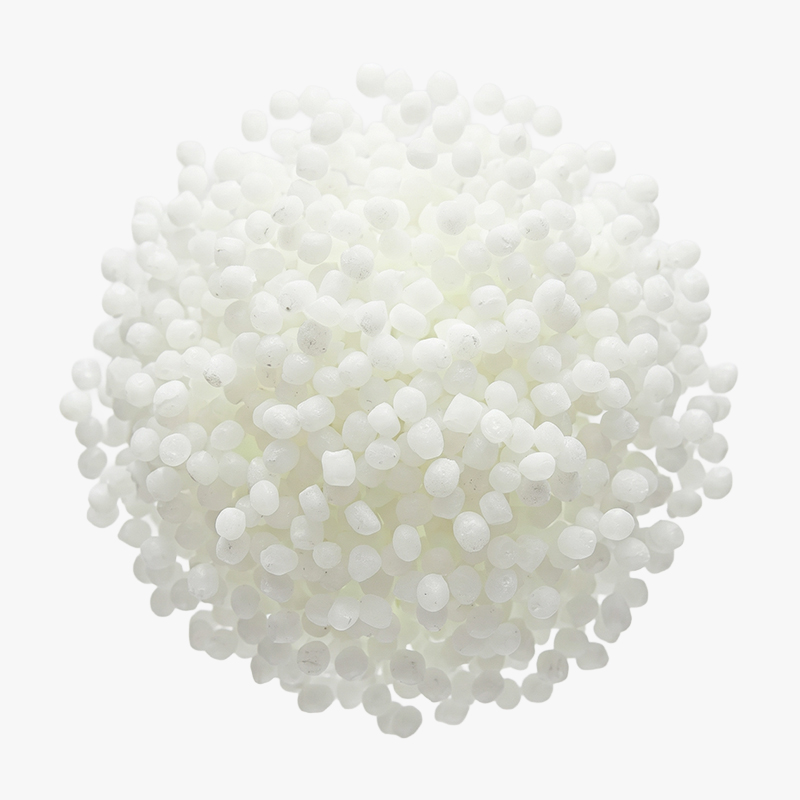
Enhanced antioxidant packages from Heritage are designed for applications that require exceptional long‑term thermal stability and protection during aggressive processing or service conditions. By optimizing combinations and loadings of primary and secondary antioxidants, these tailored systems minimize polymer degradation, discoloration, and property loss, helping customers reliably meet most non‑standard or elevated performance requirements without extensive formulation changes.
Materials:
CaCO₃, Enhanced Antioxidant, LLDPE
Compatible Resin:
LLDPE, HDPE, PP
Materials:
CaCO₃, Enhanced Antioxidant, LLDPE
Compatible Resin:
LLDPE, HDPE
Materials:
CaCO₃, Enhanced Antioxidant, LLDPE
Compatible Resin:
LLDPE
UV inhibitors are polymer additives that limit the damaging effects of ultraviolet radiation by absorbing or neutralizing UV energy before it breaks polymer chains. By slowing photo‑oxidative degradation, they help maintain mechanical properties, prevent embrittlement and surface cracking, and preserve color, gloss, and overall appearance throughout the product’s outdoor service life.
Materials:
TiO₂, UV Inhibitor, LLDPE
Compatible Resin:
LLDPE
Materials:
CaCO₃, UV Inhibitor, PP
Compatible Resin:
PP
Materials:
CaCO₃, UV Inhibitor, PP
Compatible Resin:
PP
Materials:
Talc, UV Inhibitor, PP
Compatible Resin:
PP
Materials:
UV Inhibitor, LLDPE
Compatible Resin:
LLDPE
Materials:
CaCO₃, TiO₂, UV Inhibitor, LLDPE
Compatible Resin:
LLDPE
Char‑forming additives are used to boost the effectiveness of many flame retardant systems by promoting the formation of an insulating, carbonized layer when exposed to fire. This protective char shields the underlying polymer from heat and oxygen, slows volatilization of combustible gases, and helps limit flame spread, smoke generation, and overall fire growth, supporting compliance with more demanding flammability standards.
Materials:
Mg(OH)₂, Char Former, HDPE
Compatible Resin:
HDPE